Wednesday, November 29, 2023

Fishing Jigs for Fall to Winter Transition Bass

As fall fades into winter, bass feeding patterns change drastically. The forage bounty of spring and summer dwindles, sending bass into a more lethargic, opportunistic feeding mode. 

This transition can frustrate anglers counting on reaction bites, but offers opportunity for anglers willing to slow down and finesse cold water bass into biting. One of the most effective ways to tempt a tough transitional bass is with a finesse jig paired with a soft plastic trailer.

Downsize Your Jig

The keys to any finesse presentation are lightweight and slow. As bass metabolism slows in the cooling water temperatures of fall sliding towards winter, bulky moving baits become less appealing. Scale back your jig size to 3/16 or even 3/8 ounce models, which allow for an ultra-slow falling rate to mimic dying baitfish. Light to heavy wire hooks also increase hooks ups on sluggish, chilled biters.

Match Your Trailer

Pair your jig with an equally diminutive soft plastic trailer, like a 2-3 inch straight tail, craw, or mini creature plastic bait. Keep your color selections natural, matching native forage colors like greens, browns, and blacks.

Slow Your Retrieve

With your downsized jig rigged, focus on high-percentage areas like steep drops, creek channel bends, stump flats, or any cover positioned near deep water drops. Make long casts and allow your jig to sink slowly, sometimes subtly shaking your rod tip to impart only the faintest movement. Bass will softly inhale the jig, so be ready to set the hook when feeling even the slightest of bites.

Make Multiple Casts to Cover

Cold water bass are often reluctant chase down a bait no matter how slow it's moving. Be sure to make multiple casts to cover at varying angles to have the best chance of enticing bites from these sluggish bass.

Take few moments and watch as the folks from Lurenet provide a short demo video with several tips on jig fishing for fall to winter transition bass...


Tuesday, November 28, 2023

Top Lures for Winter Bass Fishing

Winter is often considered the off-season for bass fishing, but with the right approach and lures, you can still catch fish even when the bass feel like chunks of ice. 

Bass metabolism slows down in cold water, so they tend to be less active, feed less and move to deeper water. This means that you need to use lures and presentations to entice them into biting.

Here are some of the top lures for catching bass during the winter:

1. Hair Jigs: Hair jigs are a versatile and effective lure for winter bass fishing. They may or may not be tipped with a soft plastic trailer, particularly scented minnow imitations. The hair jig's slow fall and subtle movement are often irresistible to cold-water bass.

2. Blade Baits: Blade baits are a type of metal lure that resembles a thin, flat fish with two treble hooks on the bottom. They are typically made of steel, brass, or other metals and come in a variety of sizes and colors. When jigged or retrieved through the water, the blade creates a unique vibration that mimics the movements of injured baitfish attracting the attention of cold water bass.

3. Underspin Jigs: Underspins are a type of fishing lure that consists of a jig head and minnow-style trailer with a small blade attached underneath. The blade spins as the lure is retrieved, creating a flash that attracts fish. Underspins are especially effective for catching bass in cold water, since they can be fished slowly and still produce a lot of strike-triggering action.

4. Suspending Jerkbaits: Suspending jerkbaits are a good choice for winter bass fishing. They are minnow-shaped baits that can be fished at a slow speed with frequent pauses, which is what you need to trigger reactions in cold water.

5. Ned Rigs: Ned rigs are a popular finesse technique for catching bass, and they work well in the winter as well. They consist of a small jig head and a small soft plastic bait, such as a Z-Man TRD or Finesse Hula Stick. The Ned rig fished slowly and with a subtle shake can be deadly for enticing winter bass into striking.

Bass pro Brandon Cobb spends much of the winter period chasing largemouth and spotted bass on reservoirs across the southern U.S. Take a few minutes and watch as he highlights his favorite baits when trying to trick sluggish, winter bass tnto eating his bait...

Thursday, November 16, 2023

Fishing Effectively in Standing Timber

Standing timber offers excellent habitat for bass, providing shade, cover, and ambush points for these popular gamefish. Fishing in and around standing timber can be challenging however, if you don't know the tips and tricks to locate where bass are hiding. 

Follow these tips to fish standing timber effectively and catch more bass:

Locating the Sweet Spots:

Before casting your line, take the time to identify key areas within the standing timber. Look for submerged points, pockets, creek channels or any irregularities that could serve as ambush points for bass. Use your eyes and electronics to locate underwater structures and potential hiding spots, as bass are known to lurk in the shadows to ambush unsuspecting prey.

Choose the Right Baits:

Given the intricate structure of standing timber, it's crucial to select baits that can navigate through the branches without constant snagging. Weedless soft plastics, such as creature baits, senkos, or crawfish imitations, are excellent choices. Additionally, jigs, spinnerbaits and crankbaits can be effective in enticing bass hiding within the timber.

Work the Perimeter:

Start by targeting the outer edges of the standing timber, casting parallel to the structure. Bass often patrol these areas, using them as travel routes and ambush points. Retrieve your bait slowly and deliberately, allowing it to mimic local forage and be prepared for a sudden strike as the lure deflects off the wood as it passes by.

Probe the Depths:

Experiment with different depths within the standing timber. When possible, use your depth finder to locate the fish and adjust your presentation accordingly. Bass may suspend at different depths depending on the water temperature and time of day, so varying your bait's depth can increase your chances of triggering more strikes from bass lurking in the depths.

Precision Casting:

Develop your casting accuracy to navigate through the tight spaces of the timber. Practice pitching and flipping techniques to place your bait precisely where it needs to be. A pinpoint cast into a small opening or next to a submerged branch can trigger a reaction strike from opportunistic bass.

Bump the Stump:

More often than not, bass in standing timber are in a neutral to negative mood and not actively feeding. When bass are not actively feeding, work your bait methodically, "bumpig the stump" as much as possible to help trigger more reaction strikes from passive fish.

Safety First:

Always prioritize safety when fishing in standing timber. Watch out for underwater obstructions, and navigate cautiously to avoid accidents. Wear polarized sunglasses to help you see submerged structures and potential hazards more clearly.

Bridgford Foods pro Matt Stefan has spent numerous hours breaking down acres of standing timber on water bodies across the U.S. Take a few minutes and watch as Matt describes the process he uses for identifying the best areas to target when fishing large flats chock full of standing timber...


Mastering the tricks of bass fishing in standing timber can be incredibly rewarding. By honing your skills, choosing the right baits, and understanding the habits of bass in this unique environment, you'll increase your chances of landing more and bigger fish each time you fish in timber stands.

Friday, November 10, 2023

The Berkley Fishing Color Board

Pretty cool video showing how the color of different plastic works change with depth in an ultra-clear lake (Lake Mohave, AZ) via an experiment done by pro angler Gary Klein. 

The video is shared from his Facebook page...

Definitely gives you something to think about...

Can You Change Hooks on Hollow Belly Frogs?

Can you change out the hooks in your favorite hollow belly frog?

Absolutely and here are a few reasons why you might want to change the hooks on your favorite frog:

  • To improve hookup ratio. Hollow belly frogs are often used in heavy cover, where bass can easily short strike the bait. By changing to a sharper or more gapped hook, you can increase your chances of setting the hook and landing the fish. 
  • To change the size or style of the hook. The stock hooks on hollow belly frogs are often sized for medium-sized bass. If you're targeting larger bass, you may want to upsize the hook to a heavier gauge or a larger size. You may also want to change to a different quality of hook.
  • To replace a damaged hook. If the stock hook on your hollow belly frog is dull, bent or rusty, it's important to replace it before using the bait again. A damaged hook can reduce your hookup ratio and make it more difficult to land fish.

Want to learn more?

Take a few minutes and watch as the guys from InFisherman discuss the reasons for changing out frog hooks and show you how easy it can be...


Need to grab some hooks to modify or rehab yout frogs? 

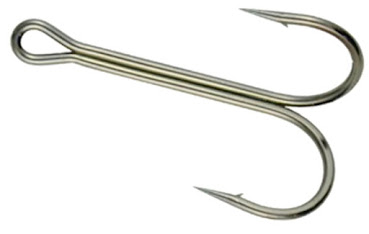
Check out the wide variety of hooks and bait rehab gear available at Lure Parts Online by clicking on the following image!